Sponsored link
DrillForAnime
Guide hub

Drill for Anime Guides

One game, three routes: learn the loop, stabilize income, then farm it — every guide keyed to the drill-character-Cash systems the game documents.

The whole game in one paragraph

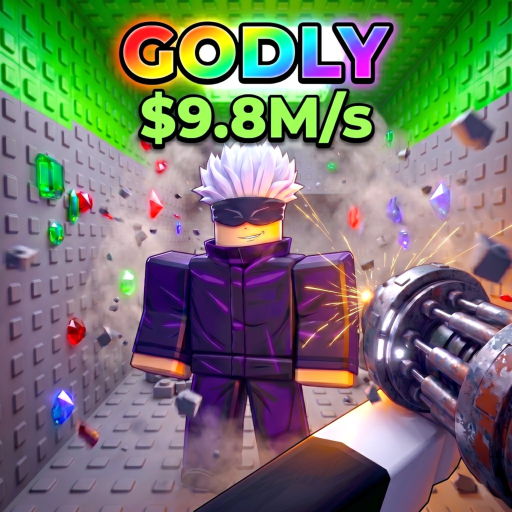
Drill for Anime is Nomel Studios' Roblox drilling simulator (Simulation/Tycoon, up to 6 players per server, created June 2026): you power up a drill to smash through dirt, fight and level anime characters, and earn Cash from every part of that loop — plus offline earnings while you sleep. Drill upgrades raise your depth and speed, character levels raise your Cash rate, Lucky Blocks add a tiered reward-box gamble, and codes hand out one-time Cash and boosts.

Every guide on this site runs on the same spending order, which the independent community wiki documents and our guides extend: codes first (LUCK26 and EPIC are free Cash), drill power second (speed and depth multiply everything the loop pays, including offline time), one strong character third (your highest-rarity unit levels into a better Cash rate), Lucky Blocks fourth (a tiered gamble, not a plan), and an offline setup last (log out on your strongest configuration — the offline cap rewards it). The three guides below apply that order to your first hour, your first week, and every long session after.
The guides

Pick the route that matches your week

Each card summarizes the full guide — open it for the step-by-step version with sources.

Read when: First session, or helping someone start.

Beginner guide

Built around the first-session goal: learn the drill-fight-level loop before optimizing, redeem the two reported codes while they are still free money, and hold rare spending until you can see what a purchase changes. Covers the starter decision order — drill power before Lucky Blocks, one strong character before a wide bench — and the three classic early mistakes: grinding before checking codes, burning rare currency on the first shiny option, and copying advice from similarly named drilling games.

Open the guide
Read when: The loop feels stable and upgrades compete for the same Cash.

Progression guide

The mid-game pivot: shift from starter rewards to repeatable income by pairing drill upgrades with character levels, since levels are the documented way to raise your Cash rate. Explains how to sequence the community wiki's spending order — codes, drill speed and depth, one highest-rarity character, Lucky Blocks last — and how offline earnings change the math: the cap scales with your setup, so progression work done now pays out again every time you log off.

Open the guide
Read when: Planning a long session or spending a boost.

Farming guide

Repeatable Cash planning: pick one target per session (drill depth, a level, block openings), measure Cash-per-minute before a long grind, and time LUCK26's 50% boost over your most productive hour instead of wasting it on setup. Includes the efficiency rule — a farm only counts if it reliably improves currency, materials, or level progress — and what to re-measure after each update, because the developers rebalance without publishing patch notes.

Open the guide
Spending order

The five steps every guide references

Community-documented order (drill-for-anime.wiki, checked 2026-10-05); the guides add the timing details.

StepWhy it sits here
1. Redeem codes firstLUCK26 and EPIC cost nothing and pay either a 50% Cash boost for an hour or 75K Cash plus an Epic Lucky Block. Free Cash before any grind changes what you can afford on day one.
2. Push drill power (speed and depth)The fan wiki's first-session order puts drill upgrades right after codes: a faster, deeper drill raises everything the loop pays, including what you earn while offline.
3. Commit to one strong characterThe wiki's collection advice is to upgrade your highest-rarity unit first — one strong leveled character pays more Cash than several low-level ones.
4. Open Lucky Blocks on a scheduleTreat block openings as a bonus step after the free upgrades, not as the plan itself. Tiered drops mean most openings are filler around the Epic-tier chase.
5. Set up offline income, then log outBecause offline Cash is capped and scales with your setup, the wiki recommends measuring your Cash-per-minute right before logging off — the cap rewards logging out on a strong setup, not idling forever.

Codes status

LUCK26, EPIC, and the EPIC75 spelling — with trackers and dates.

Calculator

Stage and goal in, concrete next move out.

Resource calculator

Boost math and offline projections before a session.

Tier list

Picks ranked for beginners, farming, and late game.

Wiki hub

Systems reference: drilling, characters, Lucky Blocks, offline Cash.

Updates

Dated timeline of game changes and what to recheck.

FAQ

Guide hub questions

What is Drill for Anime, in one paragraph?

Drill for Anime is Nomel Studios' Roblox drilling simulator (Simulation/Tycoon, up to 6 players per server, created June 2026): you power up a drill to smash through dirt, fight and level anime characters, and earn Cash from every part of that loop — plus offline earnings while you sleep. Drill upgrades raise your depth and speed, character levels raise your Cash rate, Lucky Blocks add a tiered reward-box gamble, and codes hand out one-time Cash and boosts.

Which guide should I read first?

The beginner guide if you are in your first session or still deciding what to upgrade; the progression guide once the loop feels stable and you are choosing between repeatable income and rare spending; the farming guide when you are planning long Cash sessions or deciding how to use a boost.

How do the guides use tools and codes?

Each guide ends at a tool or the codes page: redeem LUCK26 and EPIC before planning a grind (see the codes page for the EPIC75 spelling note), then run the calculator or resource calculator before spending. All code and stat claims carry their checked date — 2026-10-05 on this hub.

Do these guides stay current after updates?

The game's listing last updated on October 3, 2026 (re-checked 2026-10-05) and the developers publish no patch notes, so each guide names its source for every claim and the updates page records what changed and when we checked. When an update rebalances drill pricing or Lucky Block tiers, the affected guide flags it instead of silently keeping old advice.