Sponsored link
DrillForAnime
Maps and systems

Drill for Anime Maps, Modes and Systems

The game's real structure: a vertical world measured in depth, small servers, and five systems that decide your progress — documented row by row, checked 2026-10-05.

Quick answer: the map is vertical, and the systems are the content

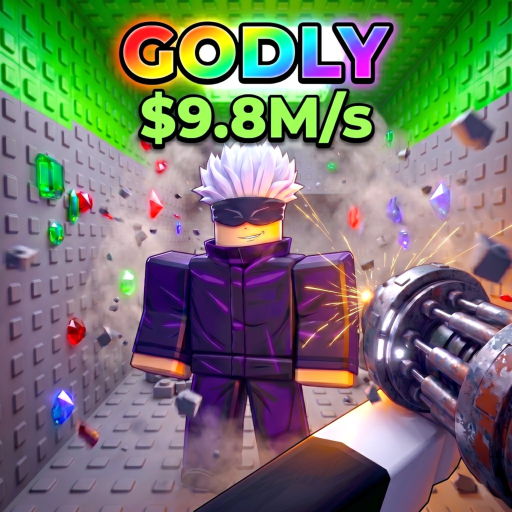
Unlike most Roblox simulators, Drill for Anime does not advertise a world of zones and maps — its official description describes one downward journey ("Power up your DRILL to smash deeper & dig faster") through dirt, with anime characters to fight along the way. The systems around that journey are the actual content: drill power (speed and depth), character levels that pay Cash, the offline earnings system, Lucky Blocks, and the codes box in Settings. This page documents each one with its source, then hands the spending and planning decisions to the guides and tools that act on them.

System table

Every documented system, with its source

SystemHow it worksPlanning consequenceSource
Drill & depthThe drill smashes through dirt; power upgrades make it dig deeper and faster.First spending stop after codes — the loop's main multiplier.Official listing
Character fightsYour lineup battles anime characters in the loop.Combat gates mean a funded carry is progression, not cosmetics.Official listing
Character levelsEach level pays more Cash.Levels are the economy — concentrate them in your best character.Official listing
Offline earningsCash accrues while away, under a cap that scales with units and drill progress.End sessions on your strongest configuration; the cap rewards it.Official + community wiki
Lucky BlocksTiered reward boxes; Epic is the documented top class.Schedule openings after upgrades, not instead of them.Community wiki
CodesSettings → Codes; two reported strings since the game's first weeks.Free Cash on every new account and after every dry spell — always step one.Trackers + community wiki
ServersUp to 6 players per server (games API).A personal loop — measure your own rates instead of quoting lobby averages.Official API
Deep dive

Two systems worth understanding properly

Depth is the progression spine

The game's world is a vertical one, and the official listing's only power fantasy is going deeper, faster. That shapes everything else: character levels and offline earnings are multipliers on a loop whose base output the drill sets, which is why every spending order this site publishes puts drill power immediately after free code Cash. It also explains the guide structure — farming advice here is about improving the loop's throughput, not finding a better location, because no source documents locations at all.

The offline cap changes when you play

The community wiki's key system note is that offline income is capped and the cap scales with your units and drill progress. Two consequences: upgrading before a break raises what the break pays, and grinding past the point of diminishing focus is worse than logging off on a strong setup. The resource calculator turns that into numbers — measure Cash-per-minute before logging off, and treat the night's payout as a fraction of an active hour, not eight times it.

Honest limits

What is genuinely undocumented

No source documents these, so no page on this site will invent them.

Named character roster: no source, official or community, publishes the character list. Both this site and the fan wiki deliberately avoid inventing names.

Drill upgrade costs by depth: the game shows them in-game; no public table exists, so plan from your own screen.

Lucky Block odds: tiers are documented, exact percentages are not.

Offline Cash cap formula: the cap scales with units and drill progress per the fan wiki; the exact formula is not public.

Maximum depth: the official description promises deeper drilling but no source documents a depth limit.

FAQ

Map and system questions

What maps or worlds does Drill for Anime have?

No public source names maps or zones. The official listing describes one continuous setting — dirt to smash through, ever deeper as you power the drill — rather than a map list, and the fan wiki documents systems (drill stats, offline earnings, Lucky Blocks) instead of locations. Depth, not geography, is the game's progression axis.

How many players can play together?

Servers hold up to 6 players (Roblox's games API, checked 2026-10-05). It is a small-server game: your loop is mostly personal, which is why this site's planning pages tell you to measure your own rates.

Is there a codes system?

Yes — Settings (top-left) → Codes. Two strings are reported working as of 2026-10-05: LUCK26 (50% more Cash for 1 hour) and EPIC (75K Cash + an Epic Lucky Block, with EPIC75 as a documented alternative spelling). The codes page holds the full source table.

How does the offline earnings system work?

The official listing advertises it ('Earn Money while you SLEEP!'); the community wiki adds the shape — a cap that scales with your units and drill progress. Practically: leave the strongest setup running when you log off, and treat the payout as a fraction of an active hour rather than a full night at your live rate.

Is this the same game as Drill for Brainrots?

No. The fan wiki documents a similarly named drilling game with its own place ID, codes, and economy. Codes and guides for either game do not transfer — verify you are on place 117459530347460 before following any advice.

Apply it

Beginner guide

The first-session path through these systems.

Plan it

Calculator

Stage and goal in, next move out.

Watch it

Updates

What each game change touches, dated and attributed.